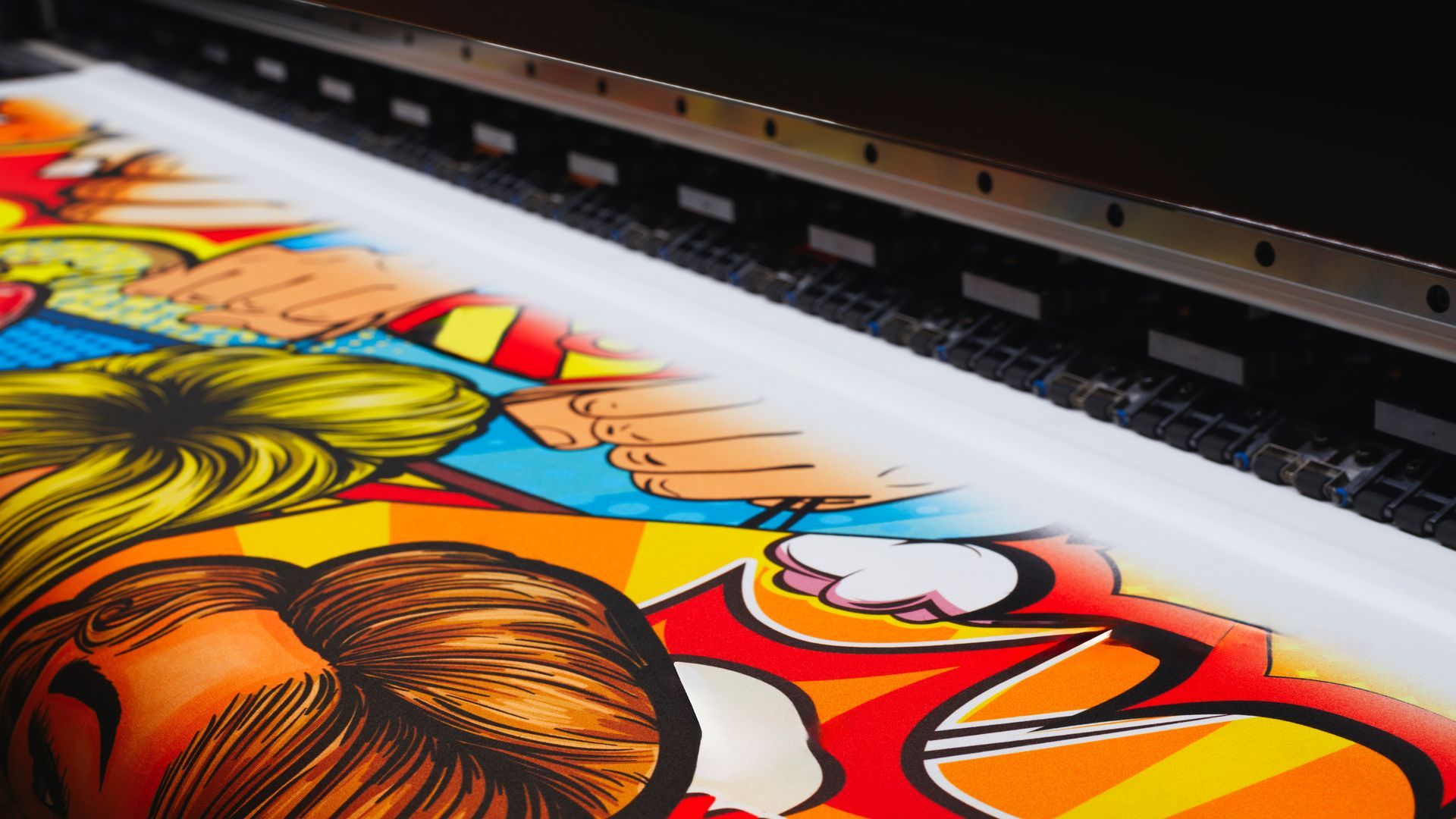
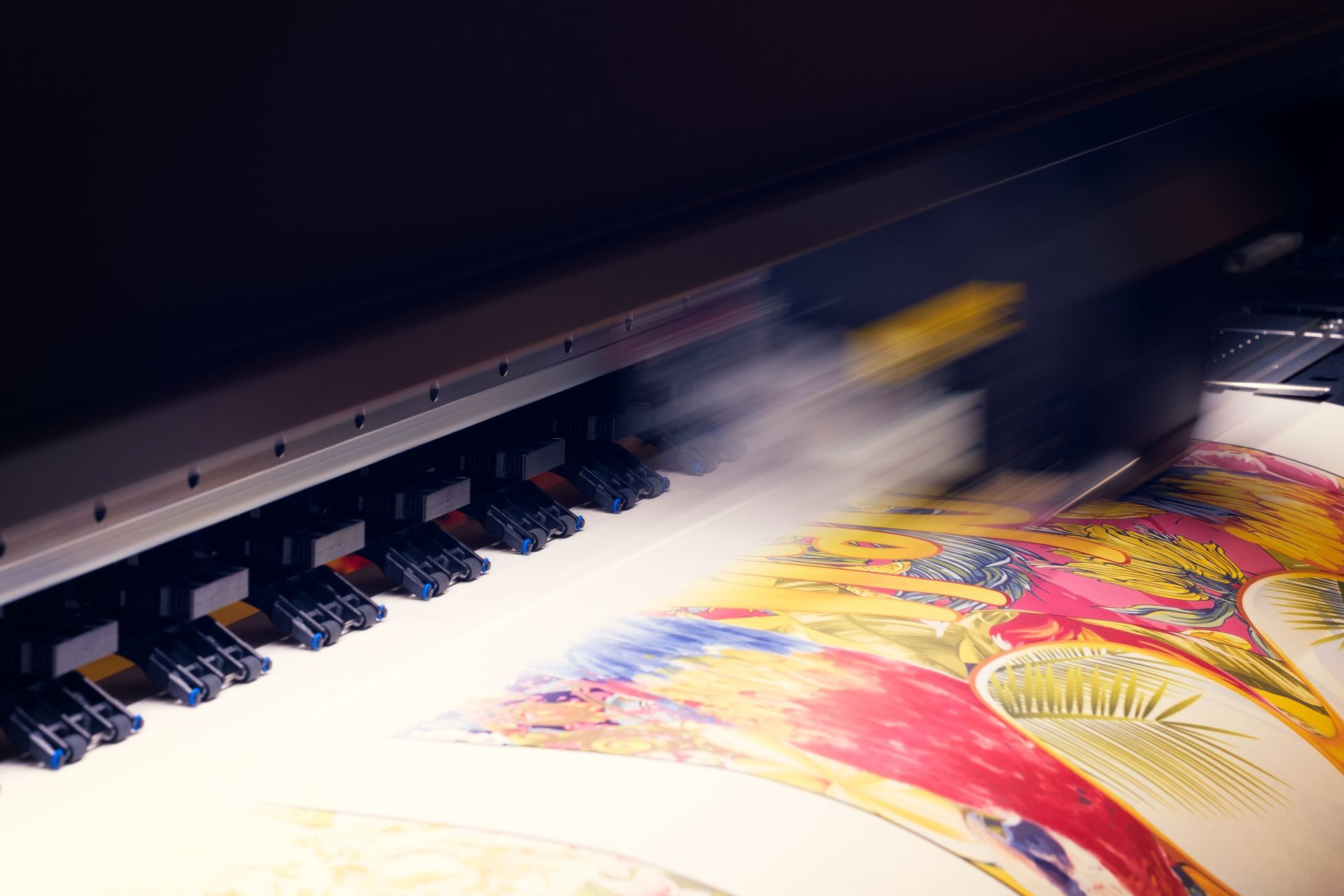
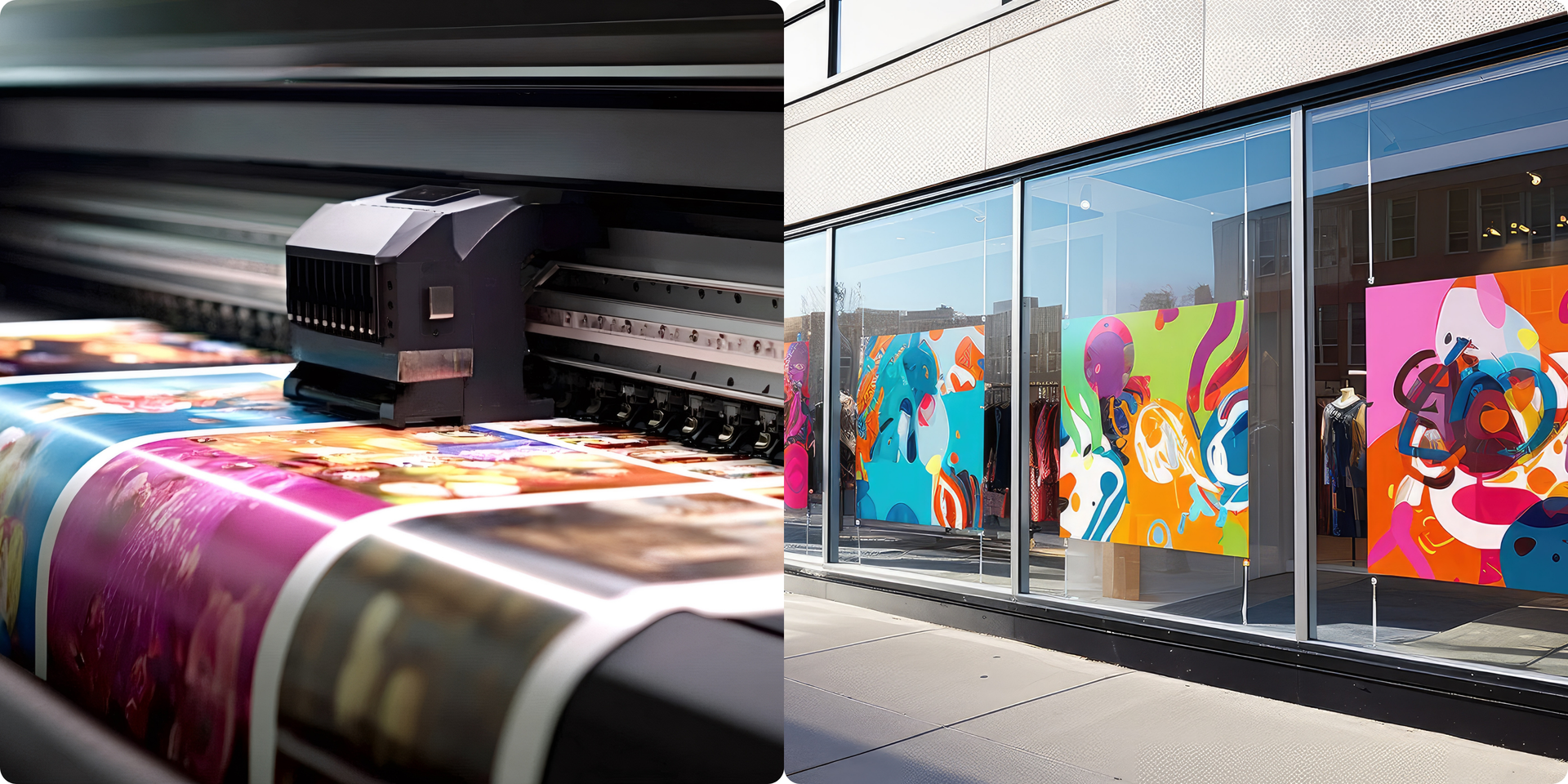
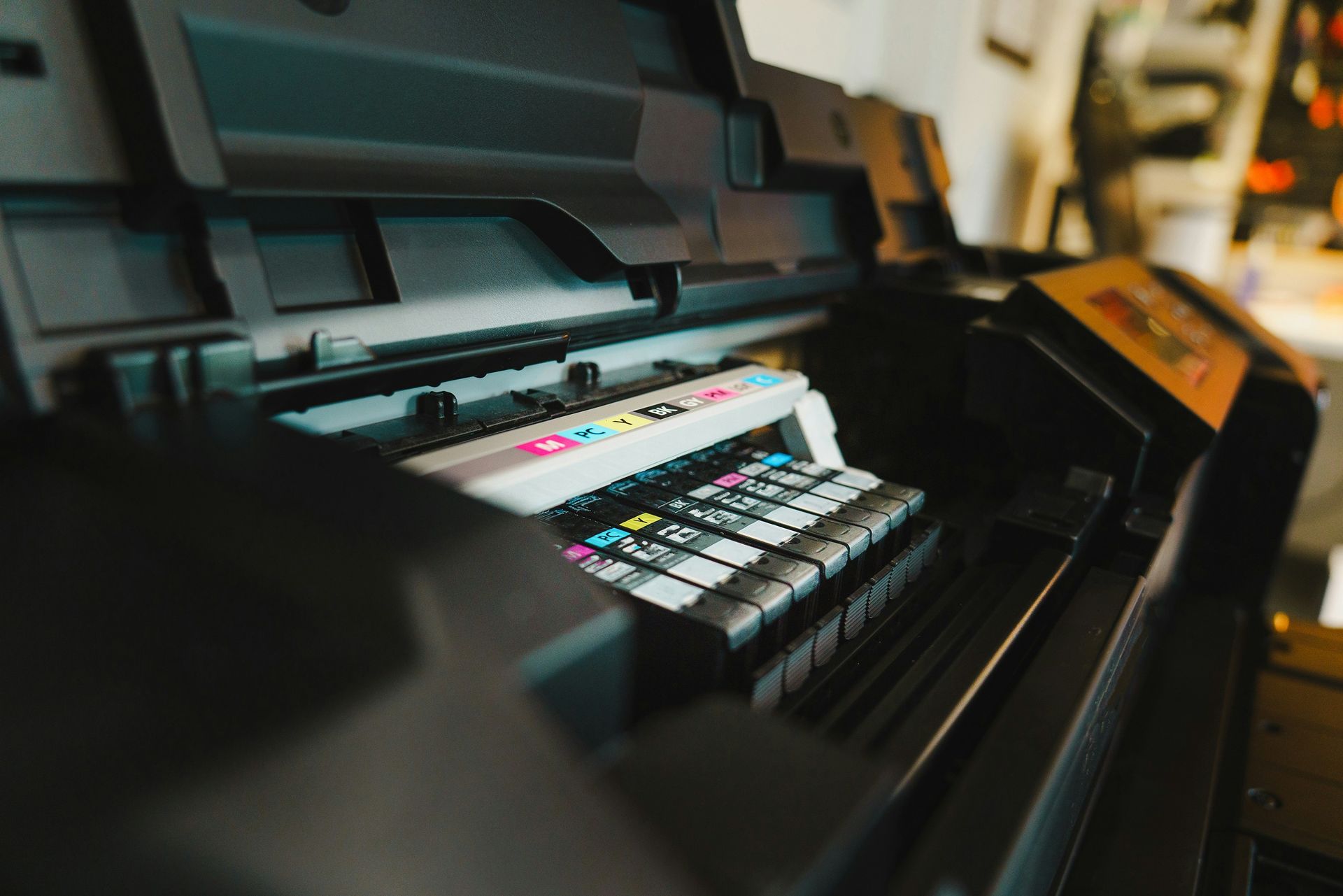
Digital printing refers to the production of printed material directly from digital files, without the need for traditional setup processes such as plates or extended pre-press preparation.
This method represents a shift away from fixed production systems toward a more flexible and controlled approach to document output. By reducing the number of manual steps involved, digital printing minimises the risk of inconsistencies between versions and allows for a more direct link between source file and final printed material.
For organisations that rely on accurate communication, this level of control is particularly important. Documents can be produced as needed, with updates applied directly to the source file. This reduces reliance on large print runs and limits the circulation of outdated information.
Digital printing also supports smaller, more targeted production. Rather than printing in bulk to justify setup costs, organisations can produce only what is required at a given time. This is especially useful in environments where information is subject to change, such as policy updates, legal documentation or educational materials.
In addition, the ability to reproduce documents consistently from a controlled file source supports version integrity. Each iteration of a document can be managed more precisely, ensuring that the correct information is distributed across all printed outputs.
As communication becomes more dynamic, the role of printing has shifted from static production to responsive output. Digital printing aligns with this shift by enabling organisations to maintain accuracy, reduce waste and improve control over how information is produced and distributed.
Document Management Tasmania supports organisations across the state with printing solutions, signage and information management services, delivered in line with ISO-certified quality and environmental standards.