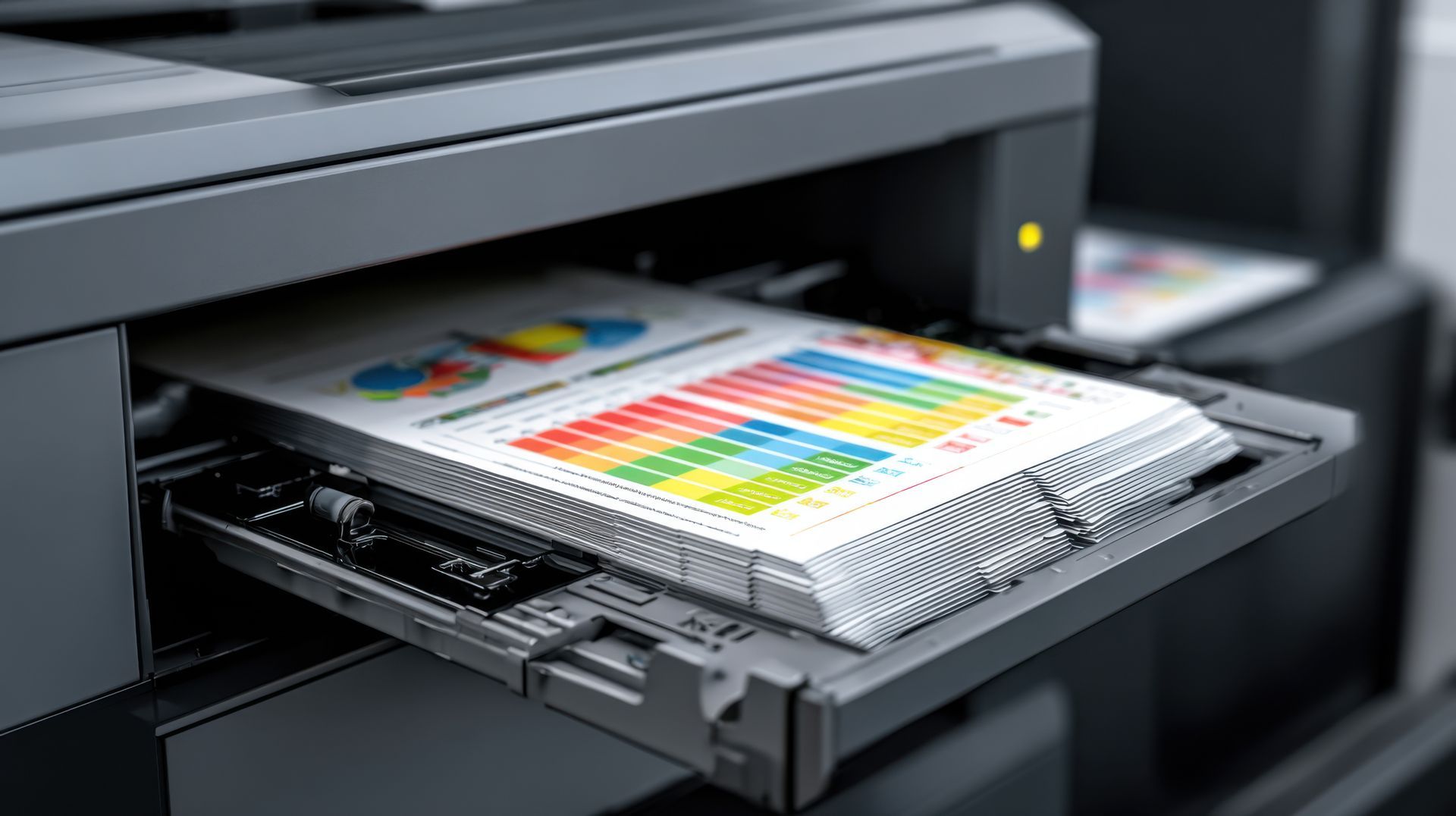
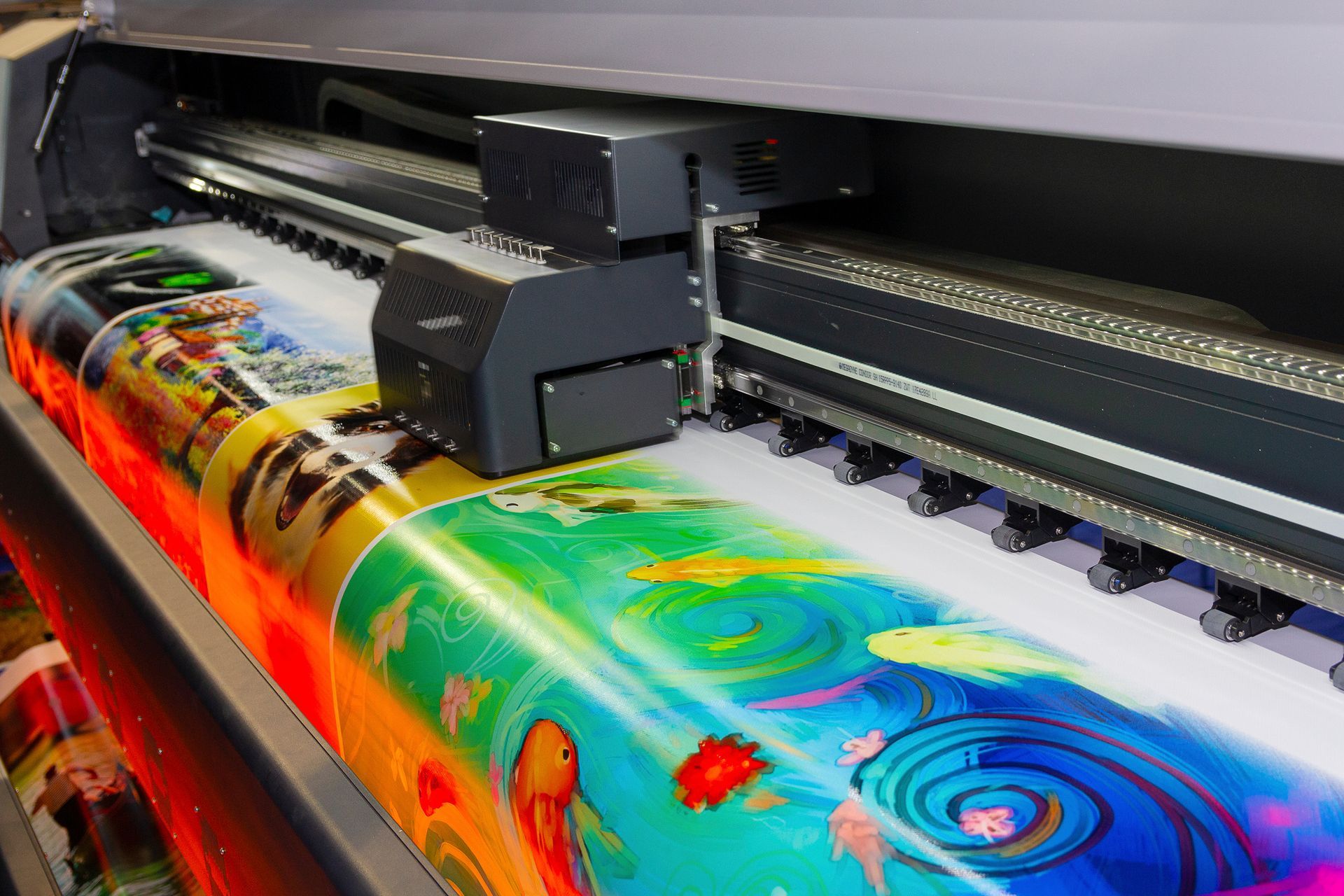
The importance of digital printing is best understood by considering the limitations of traditional print methods in environments where information is subject to change.
In government, legal and educational settings, printed material is often relied upon for communication, decision-making and record-keeping. When that information becomes outdated, even by a small margin, it can lead to confusion, inconsistency or misinterpretation.
Traditional print processes tend to favour larger production runs. While efficient at scale, this approach can create a gap between what is current and what is physically distributed. Once material is printed in volume, updates are more difficult to implement, increasing the likelihood that outdated versions remain in circulation.
This is where the relevance of digital printing becomes clear.
By allowing documents to be updated closer to the point of production, digital printing reduces the delay between revision and distribution. Changes to policy, legal information, administrative details or schedules can be reflected more quickly, limiting the risk of incorrect or inconsistent communication.
It also reduces reliance on surplus materials. Large print runs often result in unused stock, which may no longer be accurate by the time it is needed. This can lead to either waste or the continued use of outdated documents.
In environments where accuracy is not simply preferred but required, these risks become more significant. The ability to maintain alignment between source information and printed output is essential.
Digital printing addresses this by supporting a more responsive approach to document production. Rather than committing to fixed outputs, organisations can produce materials in line with current requirements.
As communication becomes more dynamic, the importance of maintaining accurate, up-to-date printed information continues to grow. Digital printing matters because it reduces the risk of misalignment between what is intended and what is distributed.
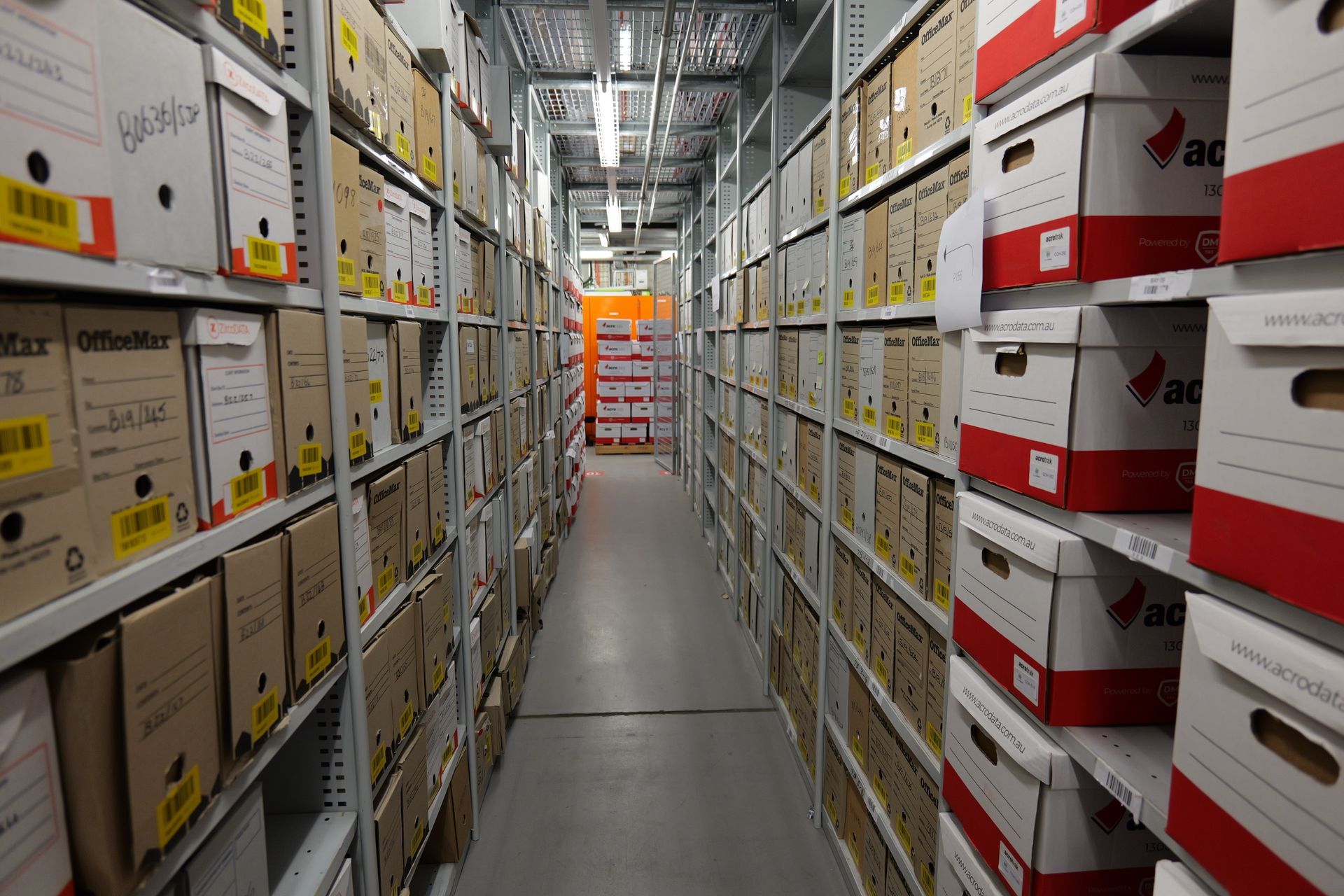
Document Management Tasmania supports organisations across the state with printing solutions, signage and information management services, delivered in line with ISO-certified quality and environmental standards.