Over the past years, I've had the opportunity to work closely with council records with some large-scale digitisation projects.
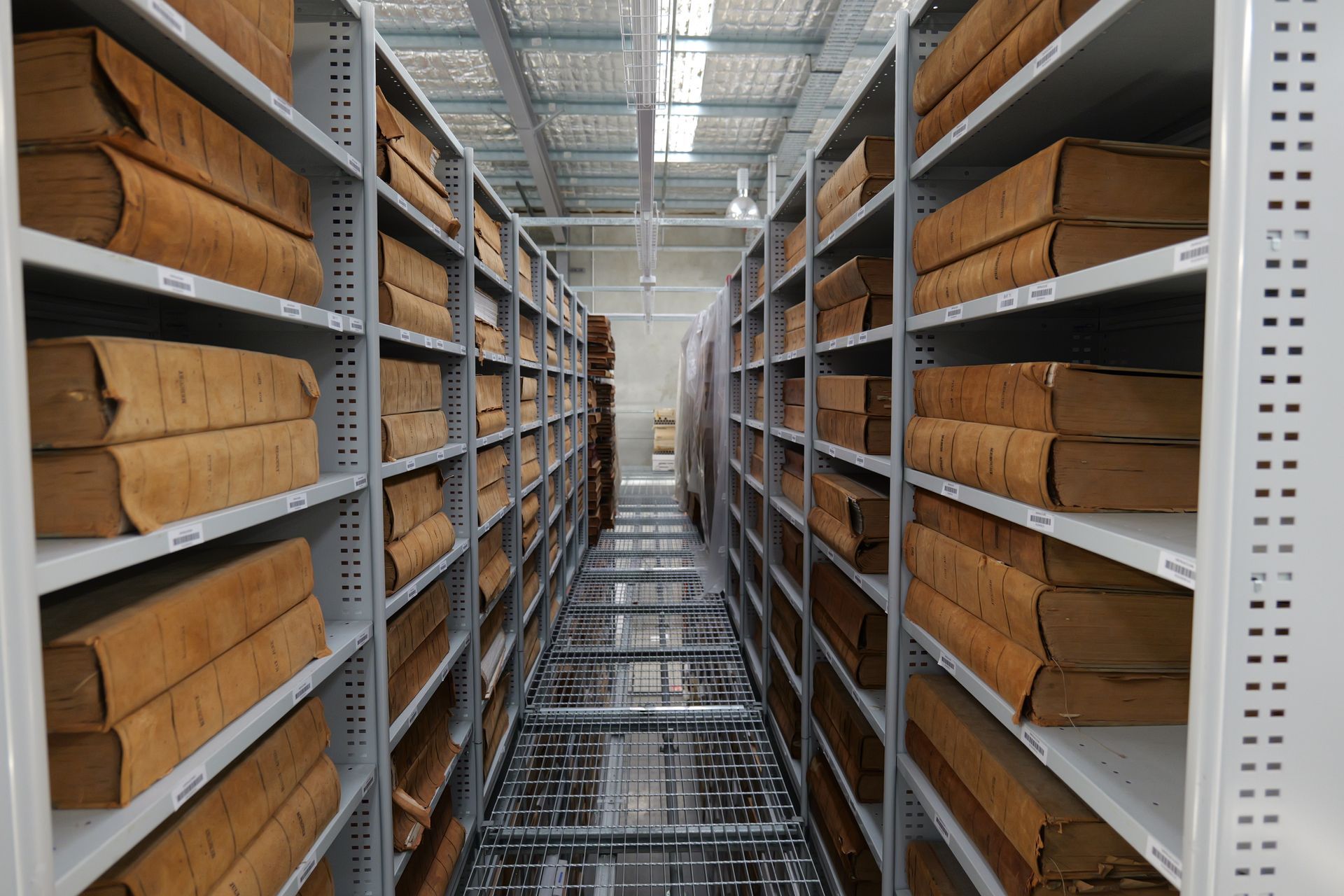
One thing I've quickly learned is just how much history and valuable information can be sitting inside an archive box. Council files can contain decades of information, planning files, plumbing files, building files, subdivision files, correspondence, reports, plans, handwritten notes and many more documents that have passed through many different departments and staff members over the years.
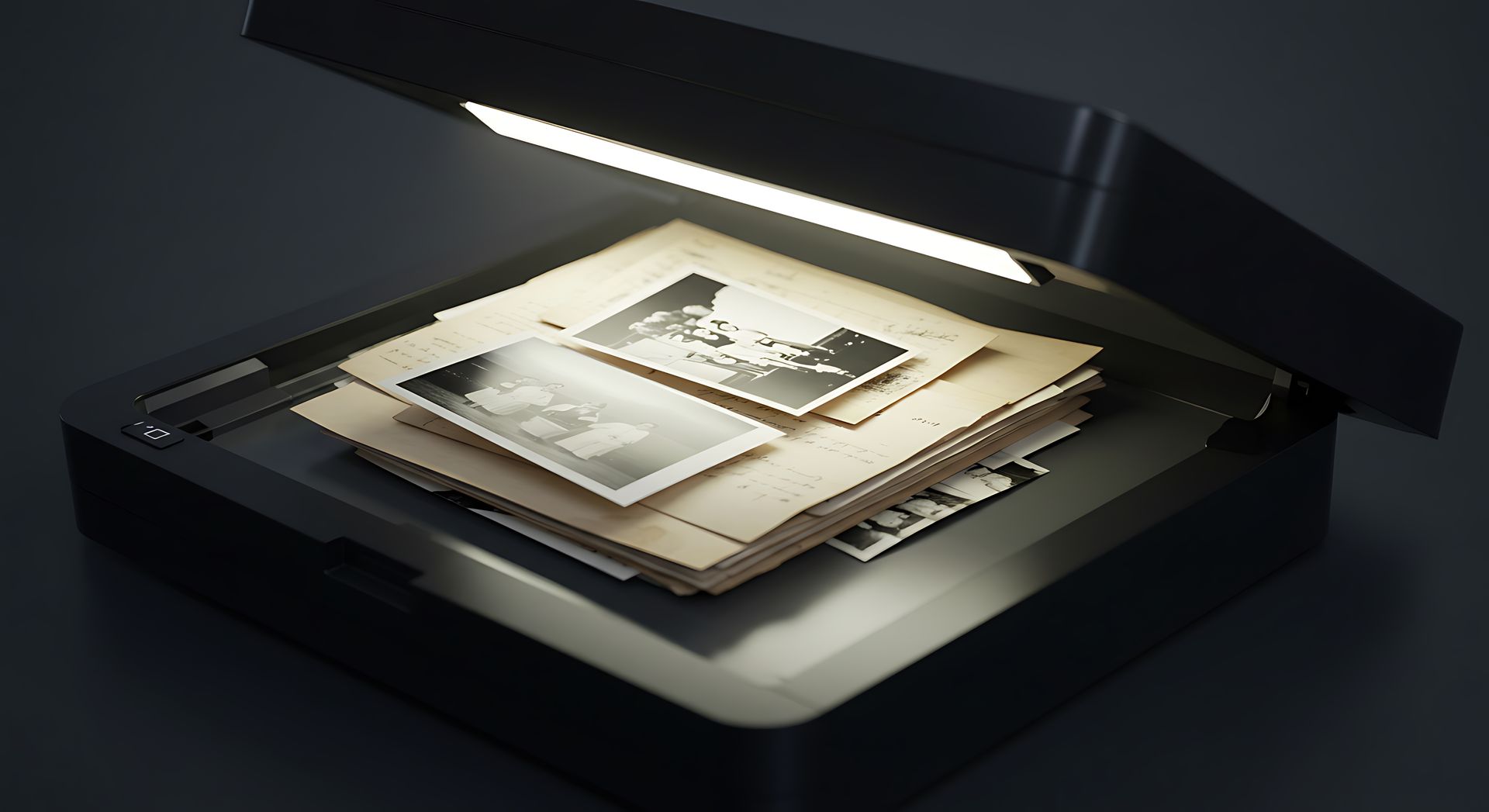
When people first think about digitisation, it's easy to picture putting documents through a scanner and creating a PDF.
The reality is very different.
Before scanning even begins, there can be staples, clips, folded pages, plans tucked inside folders, photographs, handwritten notes and documents ranging from a single page through to hundreds of pages. Then there are the large-format plans and unique drawings that need to be handled separately. Every file needs to stay together, be identified correctly and ultimately end up in the right place digitally. That organisation is just as important as the scanning itself.
Something I've become increasingly interested in is not simply how quickly we can scan records, but how useful we can make them afterwards. There's not much value in turning a room full of paper into a digital folder containing thousands of poorly named PDFs.
The indexing and structure behind the files are what makes the difference. If someone at council needs a particular property or subdivision file years from now, they will be able to locate it without needing to know which archive box it once lived in. That's where
good file naming,
metadata,
OCR and
quality assurance become such an important part of the project.
One of the more interesting parts of working with council collections is seeing how Tasmania has changed through the records. You come across old plans, subdivisions, correspondence and decisions relating to places that thousands of people now drive past or live in every day.
I can't say which project it came from, but on one of these collections we came across a document relating to the oldest person ever recorded in Tasmania. It's the kind of thing you'd never expect to find sitting in an archive box, tucked in among planning files and correspondence and it's exactly why this work matters. Records like that don't announce themselves. If nobody had opened that box, that piece of history simply wouldn't exist anymore.
A folder that hasn't been opened for years might contain the history of how a particular street, property or development came to exist. It gives you a different appreciation for why these records need to be managed properly.
Working through large council collections has also helped us improve our own processes at Document Management Tasmania. We've learned more about how to stage large projects, track boxes and files,
manage urgent retrievals,
handle oversized material and structure workflows between preparation, scanning,
indexing and quality assurance.
We've also learned that communication with the client is incredibly important. Priorities change. Someone suddenly needs a file that's sitting halfway through the digitisation process. An unusual plan turns up inside a folder. Something doesn't quite match the original index. Being able to adapt to those situations is part of delivering a large digitisation project.
There is so much valuable information still sitting in physical archives across Tasmania. And that's not necessarily a bad thing. Paper records have served organisations extremely well for decades. But as organisations become increasingly digital, there is a real opportunity to make these collections easier to search, access and preserve.
For me, that's one of the most satisfying parts of what we do at Document Management Tasmania. We're not simply scanning paper. We're taking information that might have been sitting in a box for
20, 30 or 50 years and making it accessible again. And sometimes, we're getting to see a little piece of Tasmania's history along the way.
Alex Bannister (Archival Manager)
Document Management Tasmania
Digitising the past to protect the future.