Sustainability is often discussed in big gestures.
Large projects. Bold statements. Long-term goals.
But for many organisations, real environmental responsibility shows up in much quieter ways — in the everyday decisions about how information is handled, stored and protected.
This is where ISO 14001 comes in.
Beyond Compliance
ISO 14001 is an internationally recognised standard for environmental management. But at its core, it isn’t about certificates on a wall or compliance checklists.
It’s about intent.
Intent to understand environmental impact.
Intent to reduce waste.
Intent to improve continuously — even when change isn’t visible from the outside.
For organisations managing large volumes of paper, records and data, that intent matters.
The Environmental Cost of Paper-Based Records
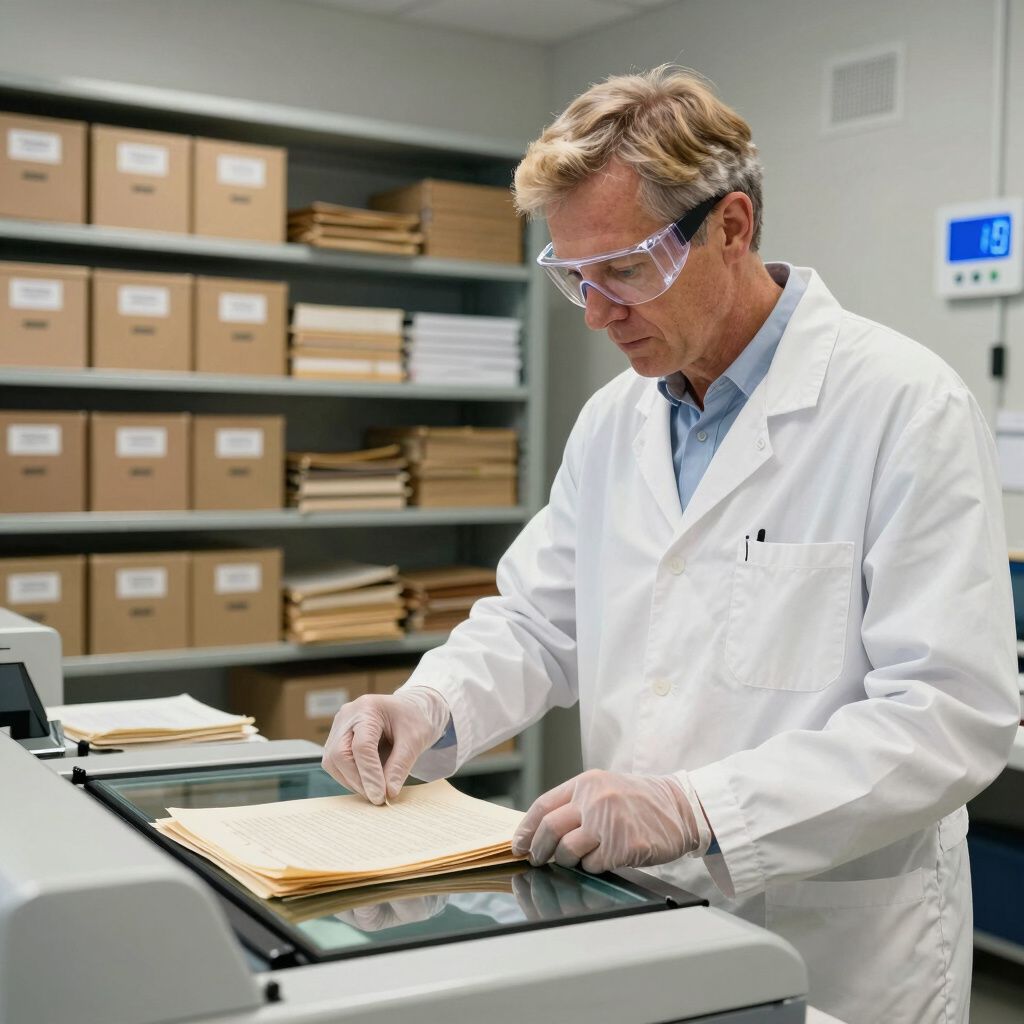
Paper doesn’t just take up space. It consumes resources long before it reaches a filing cabinet — trees, water, energy, transport and storage. Once created, paper records continue to demand physical infrastructure: shelving, archive rooms, climate control and transport between locations.
Over time, this footprint grows quietly but significantly.
Digitisation changes the equation.
By reducing reliance on physical records, organisations reduce paper consumption, lower storage demands and minimise the need for repeated handling and transportation of documents. When paired with structured environmental management practices, digitisation becomes part of a broader commitment to sustainability — not an isolated initiative.
ISO 14001 and Responsible Digitisation
Achieving and maintaining ISO 14001 accreditation requires organisations to look closely at how their operations affect the environment — and to put systems in place to manage that impact responsibly.
In the context of digitisation and data storage, this means:
- reducing unnecessary printing and paper usage
- handling physical records thoughtfully during transition
- managing waste streams responsibly
- designing processes that prioritise efficiency and longevity
It’s not about moving from paper to digital overnight.
It’s about moving forward deliberately, with awareness and accountability.
Sustainability as a Long-Term Practice
Environmental responsibility isn’t a one-off project. Like digitisation, it’s a continuous process.
ISO 14001 encourages organisations to review, refine and improve over time — recognising that small, consistent improvements often have the greatest long-term impact. This mirrors the way modern information management works: gradual transformation, measured outcomes and future-focused thinking.
At Document Management Tasmania (DMTas), ISO 14001 accreditation reflects this mindset. It reinforces a commitment to managing information in ways that are not only secure and efficient, but also environmentally responsible.
A Quieter Kind of Leadership
Not all leadership is loud.
Sometimes it shows up in choosing better systems.
In reducing waste without being asked.
In caring about the impact of everyday operations.
ISO 14001 represents that quieter kind of leadership — one that recognises sustainability as part of good governance and good business.
And when combined with digitisation and secure data management, it becomes part of a wider effort to protect not only information, but the environment it exists within.